
Driving Digital Transformation in Multi-Brand Organisations with Vigan Ramadani
1 min read time
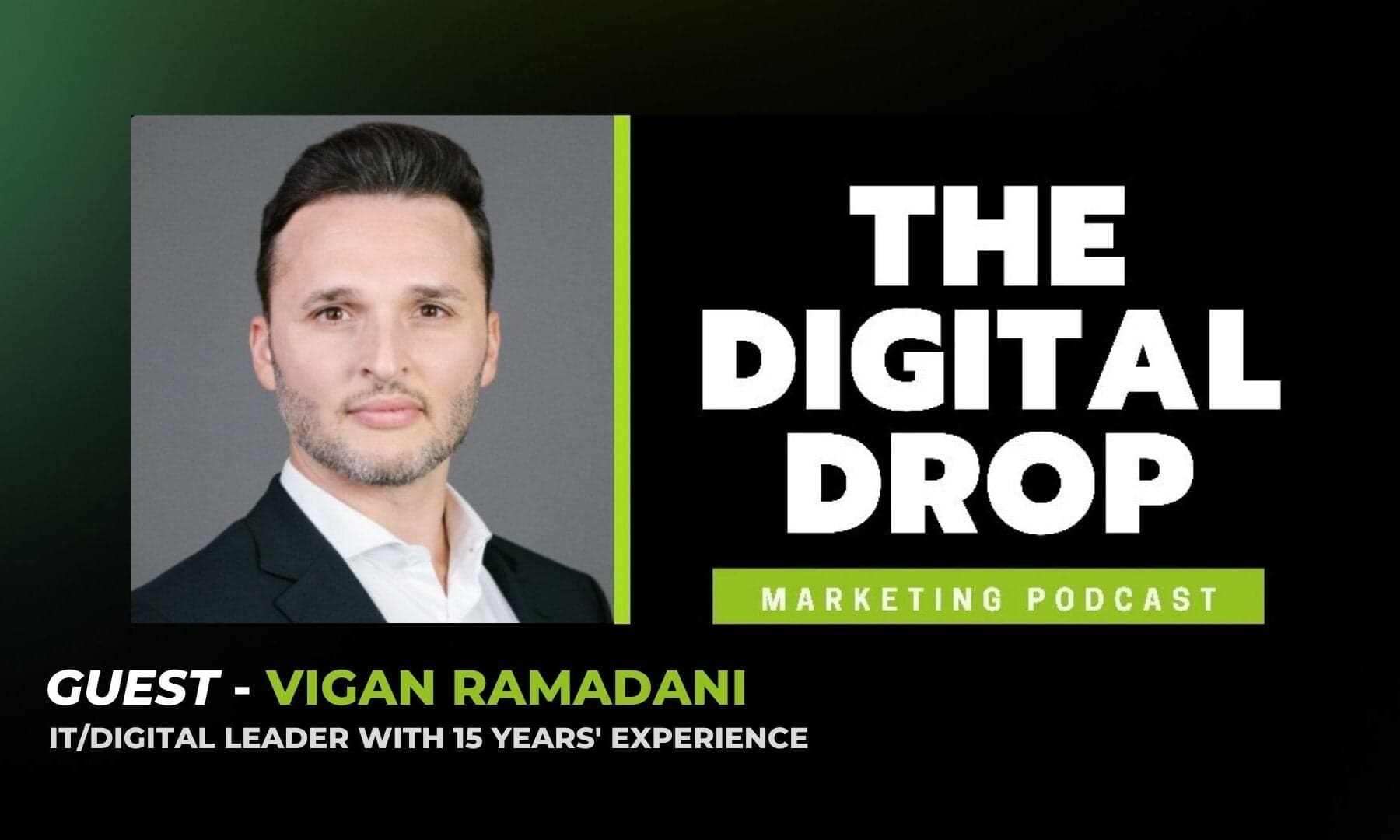
Hi everyone, and welcome to The GRM Marketing Series!
In our latest podcast episode, we delve into the challenges and opportunities of digital transformation in multi-brand organisations. With nearly 70% of the global population online, the need for scalable, flexible digital solutions has never been more pressing. Our guest, Vigan Ramadani, shares his insights into navigating this complex terrain and achieving success in a highly competitive landscape through digital evolution.
The Challenges of Multi-Brand Complexity
Managing a multi-brand organisation presents unique hurdles. Each brand often has its own identity, customer base, and market goals. Research shows that 90% of organisations struggle with balancing autonomy and centralisation. Aligning these elements under a unified strategy requires defining non-negotiables while allowing room for individual brand needs. Success lies in achieving this balance without compromising efficiency or diluting brand value.
According to Vigan, multi-brand organisations need to create clear governance structures that accommodate brand-specific goals while maintaining overarching corporate priorities. For example, brands within a group may have different market strategies or target demographics, and a one-size-fits-all approach won’t work. Instead, a balance between shared resources and localised flexibility ensures operational success.
“The best multi-brand organisations strike a balance between autonomy and alignment, ensuring each brand can thrive without losing sight of the group’s goals,” he explains.
Building Scalable Digital Solutions
Scalability is a critical factor for multi-brand organisations. Digital platforms must accommodate diverse needs, from simple microsites to complex e-commerce systems. Research reveals that organisations adopting scalable solutions experience a 50% faster time to market and a 35% reduction in operational costs. Flexible platforms, including headless CMS solutions, enable brands to address unique requirements while leveraging shared resources to drive efficiency.
Vigan highlighted how headless CMS platforms are particularly beneficial in enabling scalability. These platforms decouple content creation from front-end delivery, allowing brands to tailor their digital presence while maintaining consistency across the organisation. He shared an example where adopting headless technology reduced page creation times by over 60%, enabling marketing teams to launch campaigns faster and more efficiently.
“Scalable solutions like headless CMS platforms allow organisations to adapt quickly to market changes while maintaining brand integrity,” Vigan adds.
Leadership and Cross-Functional Collaboration
Strong leadership is vital for fostering collaboration across departments and brands. Studies indicate that organisations with effective cross-functional teams are 25% more likely to meet their digital transformation goals. Leaders must articulate a clear vision, engage stakeholders early, and break down silos to ensure alignment and collective buy-in.
Vigan also emphasised the importance of empowering brand managers. Giving them a voice in shaping the organisation’s digital strategy fosters ownership and alignment. For instance, creating cross-brand committees to address shared priorities helps resolve conflicts early and ensures that everyone works towards common goals.
“Leadership is about setting the vision and enabling teams to align their efforts while maintaining individual brand strengths,” he notes.
Embracing Innovation with AI and Modular Technology
Innovation is reshaping the landscape of digital transformation. Modular, headless CMS platforms and AI-driven tools are becoming essential for success. AI enables personalised customer experiences, with 72% of organisations reporting improved engagement after adopting AI solutions. Modular technologies provide the adaptability needed to stay competitive in a fast-changing market, helping businesses respond quickly to evolving customer demands.
Vigan pointed out that AI isn’t just about customer experience but also operational efficiency. Tools that automate repetitive tasks, such as content tagging and campaign optimisation, free up teams to focus on strategic initiatives. He also discussed the role of modular systems in creating flexibility for organisations to integrate new technologies seamlessly.
“AI and modular technologies are no longer optional; they are essential for delivering personalised experiences and driving operational excellence,” he emphasised.
Overcoming Technological Debt and Resistance to Change
One of the key challenges in digital transformation is managing technological debt and overcoming resistance to change. Many large organisations struggle with outdated systems and processes that hinder progress. Vigan shared his approach to addressing this challenge: phased migrations, clear communication, and user-friendly interfaces.
For instance, in a recent project, transitioning to a modern CMS reduced page creation time from 90 minutes to 20 minutes. This not only improved efficiency but also increased user adoption rates by simplifying workflows. Training and support were crucial in helping teams adapt to the new system.
“Successful transformation isn’t just about technology—it’s about people. Equip teams with the tools and training they need to succeed,” Vigan advises.
Key Takeaways for Digital Transformation Leaders
Here are some actionable insights for organisations embarking on their transformation journey:
- Focus on High-Impact Areas: Prioritise initiatives that deliver the most significant results.
- Invest in Scalable Technology: Build solutions that can evolve with organisational needs, such as headless CMS platforms.
- Foster Collaboration: Encourage teamwork across departments to address complex challenges effectively.
- Leverage Data and AI: Use data-driven insights to personalise experiences and drive smarter decision-making.
- Empower Local Teams: Provide the tools and autonomy needed for individual brands to succeed within a unified framework.
- Address Technological Debt: Implement phased migrations and ensure new systems are user-friendly to maximise adoption.
“Digital transformation is not a one-time project but a continuous evolution,” Ramadani concludes.
Final Thoughts
Digital transformation in multi-brand organisations requires a combination of vision, adaptability, and collaboration. Statistics show that businesses investing in scalable solutions and innovation achieve 30% higher growth rates than their competitors. By fostering a culture of continuous improvement and embracing headless strategies, organisations can navigate complexity and achieve sustainable success.
As Vigan shared, the journey to digital evolution is challenging but rewarding. Balancing centralisation with flexibility, leveraging emerging technologies, and empowering teams will define the leaders of tomorrow. Headless CMS platforms and innovative technologies are no longer optional but essential for staying ahead.
Catch the full discussion on the Digital Drop Podcast for more actionable insights and strategies!