The Ultimate Guide to Digital Transformation: What It Is and Why Your Business Needs It Now
1 min read time

The business landscape is one that rarely stands still. From the printing press to the industrial revolution, brands have faced seismic shifts over the years in how they reach customers and differentiate themselves in a competitive market. Now, the revolution is digital.
As organisations begin to evolve alongside technology, software and hardware are becoming entwined in everyday processes. This is digital transformation. Brands around the world are shifting to data-gathering, efficiency-driven, tech-based models and using technology to connect with customers and scale at speed.
But what actually is digital transformation, and why should your business care? Let’s break it down in this guide.
What Is Digital Transformation?
Digital transformation involves strategically choosing software and hardware to benefit your business on a large scale.
It’s important to note that this doesn’t mean exactly the same thing to all businesses, and pinning down a precise definition in a single sentence is near impossible. Digital transformation can even be viewed as a cultural shift that businesses need to keep up with; one that embraces experimentation, challenges old-school processes, and encourages brands to constantly develop to meet evolving expectations.
To be classified as a digital transformation, you usually need to incorporate tech into almost every aspect of your organisation. We’re talking about widespread change from the ground up, creating new value and enhancing processes in ways that you simply can’t without technology.
What Does a Digital Transformation Look Like?
To some, a digital transformation means shifting from a physical office setup to cloud-based systems, unlocking remote work capabilities and allowing the business to scale digitally. For others, it’s about driving efficiency by automating repetitive tasks and using software to improve overall performance.
For a customer-focused e-commerce or retail brand, it might include:
- Enabling online sales to increase reach
- Improving customer service through chatbots
- Establishing a digital marketing strategy
- Optimising supply chains using data analytics
For membership organisations, digital transformation typically centres on improving two key areas: acquisition and retention. This often involves:
- Automating the onboarding journey to streamline new member sign-ups and reduce manual admin
- Introducing self-service portals and CRMs to personalise communications
- Enhancing engagement with members through tailored content, email journeys, and loyalty initiatives
- Using data and analytics to better understand member behaviour and proactively reduce churn
Digital transformation isn’t one-size-fits-all. It’s a strategic evolution that aligns technology with your specific business goals—whether that’s selling more products, growing a loyal member base, or simply operating more efficiently. What it looks like for you may be entirely different, and that’s exactly the point.

Why Does Digital Transformation Matter?
Digital transformation is less of a ‘maybe’ and more of a ‘must’. In the digital age, businesses are expected to use technology to improve their offerings and create more market agility, allowing them to respond quickly to trends and cultural shifts.
89% of large companies around the world are already pursuing digital transformations, with detailed strategies in place to optimise and streamline how technology works to their advantage. This doesn’t mean they’re simply building a website or setting up social media (both of these are commonplace for almost all modern brands), but that they’re rethinking how their entire business operates and how data, automation, and software can slot into every layer of their organisation.
It’s important to remember, too, that customers demand digital experiences. 70% want 24/7 customer service that they can access from anywhere, for instance, which is only achievable with a fleet of digital tools. There’s also an increasing expectation for personalised experiences, real-time order tracking, and secure payment systems – and that’s just the start of their tech-related demands.
In other words, digital transformation matters because it has to. If your business isn’t developing a digital strategy, you’re already two steps behind.
Breaking Down the Benefits
Looking beyond meeting market expectations, what can digital transformation do for your business? Let’s take a look at some of the key advantages:
Driving Change With Data
An integral aspect of digital transformations involves using data to enhance business intelligence. With the right tools in place, your organisation can collect and analyse insights that are unique to your business or target market. You can then use this information to make informed decisions guided by a deeper understanding of your audience.
This sort of data-driven approach to business is essential for:
- Responding to customer needs and demands
- Pivoting quickly to embrace new opportunities
- Reducing risks involved in decision making
- Optimising your performance and efficiency
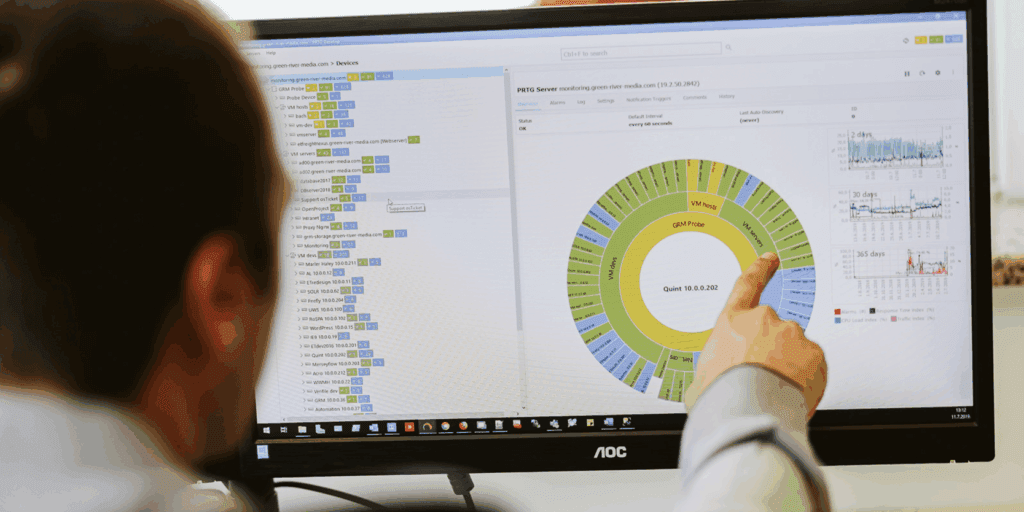
Data collected across departments creates a more holistic view of your business, too, improving understanding of overall performance and encouraging collaboration.
Understand Your Customers
Customers want to feel understood by the businesses they communicate with. They want you to anticipate their needs and tap into what they want before they know it themselves. The cold, hard truth of the matter is that you need a focused digital transformation strategy in order to do this.
Let’s take a look at an example. We know that finding products easily is the top factor that improves customer experience, but how can you apply this knowledge? You need an understanding of how your target audience browses (both online and in-store) and the ability to tailor what they see based on their preferences.
By utilising a customer relationship management (CRM) system, you can monitor individual purchase history, track what customers have browsed but haven’t bought, and use the data to offer personalised recommendations on your website’s home page and throughout your wider marketing strategy.
Become an In-Demand Employer
Digital transformation doesn’t just attract customers, it also appeals to top talent. Today’s professionals (especially younger generations) expect to work with digital tools, flexible systems, and benefit from remote capabilities. In fact, remote and hybrid working is so popular that 58% of UK employees would quit their job if forced to return to the office.
By embracing digital solutions, you can create a workplace that suits a wider pool of employees. It’s an adaptable, innovative environment with a forward-thinking culture that so many high-performing candidates want to work in.
Within this benefit, it’s important to consider AI. As a relatively new technology, we wanted to briefly touch on the fact that being careful when implementing AI in digital transformation is crucial.
While it can boost productivity and help your team work efficiently, only 36% of employees believe it will be used in a way that benefits them. This is why working with digital transformation consultants is so crucial, helping you create a multi-faceted strategy that balances business benefits, employee engagement, and customer satisfaction in one neat, digital package.
Agility and Scalability
One of the most powerful benefits of digital transformation is the ability to adapt quickly and grow efficiently. In a fast-changing market, your business needs to respond to new trends and unexpected disruptions, often in real-time.
Technology helps you tap into this agility. Data-driven processes and modular systems make it easier to shift at a moment’s notice, while speed-to-market is drastically increased thanks to tools that improve efficiency and reduce delays.
When you’re ready to grow, digital transformation also enables you to scale. A smart strategy leaves room for future movement, with digital systems that provide flexibility and upgrades for quick, seamless scaling that doesn’t disrupt your current systems.
How to Start a Digital Transformation
Digital transformation isn’t about picking up the odd piece of software here and there. This strategy aims to compile a tech stack that slots together harmoniously, enhancing your current processes and offerings to take your organisation to the next level. It’s laser-focused, too, with no room for digital tools that don’t serve your business, team, or customers.
At GRM, we live and breathe digital transformations. We’re the experts in our field and understand what separates a good strategy from an excellent one. To help you take your next steps, we’ve put together a quick outline of what a digital transformation involves:
- Understanding your goals: Technology needs to align with your aims, so it’s crucial you start by exploring how you want it to help your business. Are you looking to improve customer experience, drive conversions, or increase output? Outline clear objectives that your tech stack needs to help you fulfil.
- Identifying market and customer needs: Get to grips with what your target market and audience expect from your business. Look ahead, too, at how a digital transformation could help you go beyond expectations and give your brand a competitive edge. Could it even help you become an industry disruptor?
- Choosing your technology: With thousands of tools available, selecting the right mix is crucial. We help you choose platforms that aren’t just fit-for-purpose today but scalable for tomorrow, including cloud infrastructure, automation tools, and analytics systems.
- Creating a digital roadmap: You need a thorough plan to keep your transformation on track. This should include details such as when different tech goes live and how you’ll measure the success of your strategy.
- Restructuring for change: Restructuring can sound scary, but it’ll help you get the most out of your new systems. Focus on removing bottlenecks, streamlining workflows, and even changing employee roles to enhance your business’s agility and efficiency.
- Engaging your team: A successful transformation relies on your team getting on board. From our digital transformation workshops to ensuring your employees and shareholders understand the benefits of the tech you’re implementing, engagement is key.
We won’t sugarcoat it and say that successful digital transformations are easy; if they were, every brand in the world would be performing at a top level. What we will say, though, is that every pound of effort you put in is worth twofold in the benefits it brings to your business.
Make Your Digital Transformation Simpler
Ready to embark on a digital transformation but aren’t sure where to start? We can help. At GRM, we provide consultation services to develop and deploy digital transformation strategies. With digital strategists, web developers, and expert marketers at your side, you’ll have the confidence to embrace technology in your business.
Get in touch with us today to start your digital transformation.